Global Japanese Sushi Rolls
Highlighted under: Foreign Flavors
I absolutely love making Global Japanese Sushi Rolls because they blend traditional techniques with adventurous flavors. As someone who enjoys experimenting in the kitchen, this recipe has become a favorite for impressing friends during gatherings. The combination of fresh ingredients and unique fillings will transport you to Japan while allowing you to put a personal touch on each roll. Plus, it’s surprisingly easy and fun to roll your own sushi at home with just a few simple steps. Gather your ingredients, and let’s dive into this culinary adventure!
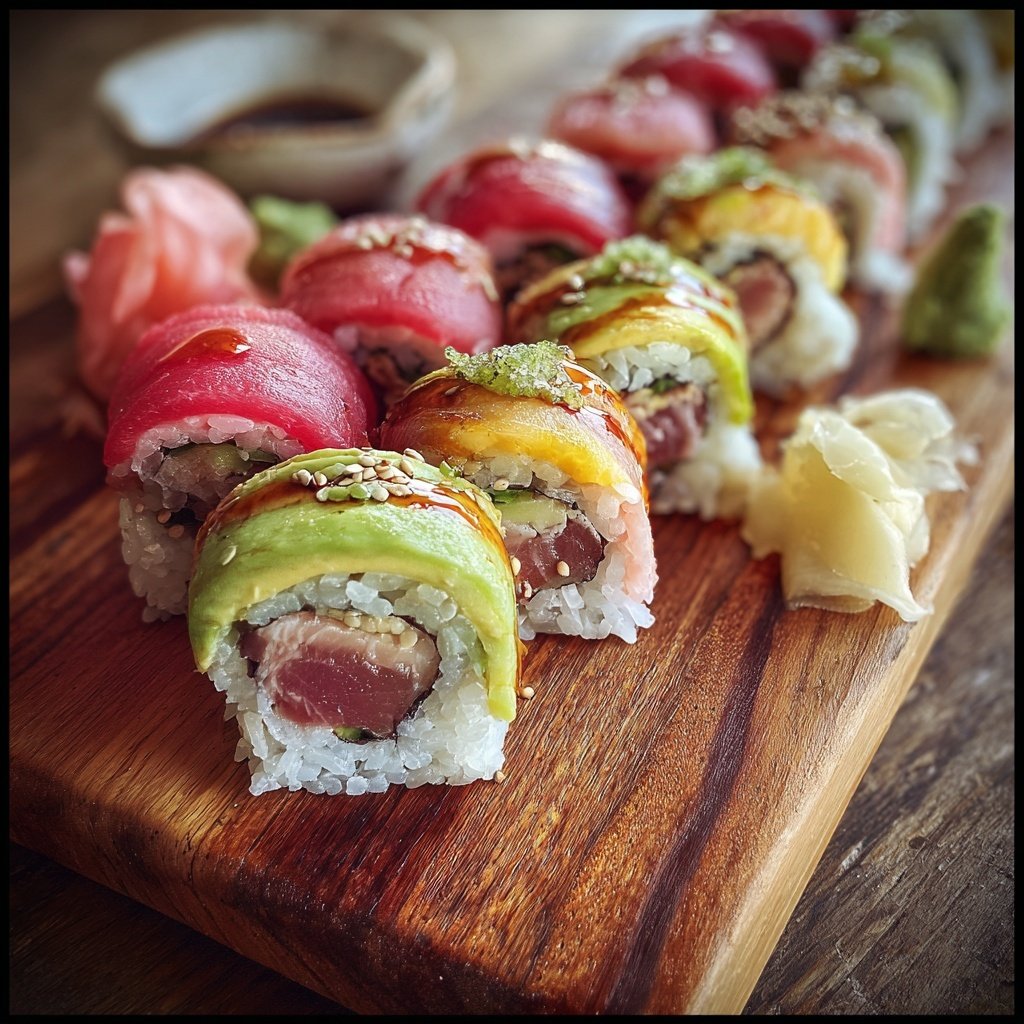
When I first attempted these Global Japanese Sushi Rolls, I was amazed at how much creativity I could infuse into such a classic dish. I experimented with different fillings, from traditional tuna to mango and avocado, allowing each roll to showcase unique flavor profiles. The key to perfect sushi rice is to season it correctly with vinegar, sugar, and salt, which elevates the entire experience.
Every time I make these rolls, I find different ways to enhance their presentation, whether it’s using colorful ingredients or clever cutting techniques. Don't shy away from adding your personal twist, as sushi is all about expression and enjoyment!
Why You'll Love This Recipe
- Versatile fillings that cater to various tastes
- A fun and interactive cooking experience for groups
- A healthy and colorful dish that's packed with nutrients
Mastering Sushi Rice
The foundation of great sushi rolls lies in perfectly prepared sushi rice. To achieve this, it’s crucial to rinse the sushi rice thoroughly; this removes excess starch, preventing the rice from becoming gummy. After soaking the rice for 30 minutes, bring it to a boil over medium-high heat, then reduce the heat to low. Keeping a tight lid on the pot is essential during the simmering process to capture steam, which makes the rice fluffy and tender.
Once cooked, let the rice rest for an additional 10 minutes, allowing it to finish steaming and achieve a perfect texture. The mixture of rice vinegar, sugar, and salt adds a delicate balance of flavors, making the rice slightly tangy and luscious. Gently folding the mixture into the warm rice ensures that it gets evenly coated without breaking the grains. If you find your rice too dry, a splash of water or more rice vinegar can help revive its moisture.
Choosing Fillings Wisely
The versatility of sushi rolls originates in their fillings, allowing you to explore a range of flavors. For freshness, use seasonal vegetables like crunchy cucumber or creamy avocado; they not only add texture but also vibrant colors that make your sushi visually appealing. Protein choices such as fresh tuna or succulent crab meat lend a luxurious touch, and if you're looking for vegetarian options, consider marinated tofu or grilled mushrooms for depth of flavor.
Be mindful of balance when constructing your rolls. Including a touch of acidity from pickled ginger can enhance the overall experience and cleanse the palate between bites. If you’re looking for a spicier kick, smear a bit of wasabi directly onto the protein before rolling. Selecting high-quality ingredients is key; fresh fish should be firm and have a pleasant scent, while vegetables should be crisp and vibrant.
Slicing and Serving Tips
Slicing your sushi rolls correctly can significantly impact their presentation. Use a sharp knife, and clean it between cuts with a damp cloth to ensure clean, precise slices. This technique prevents the rice from squishing out and keeps the fillings intact, making your sushi more visually appealing. Aim for 6-8 pieces per roll—this is typically the perfect size for sharing in small groups or pairings with flavorful dipping sauces.
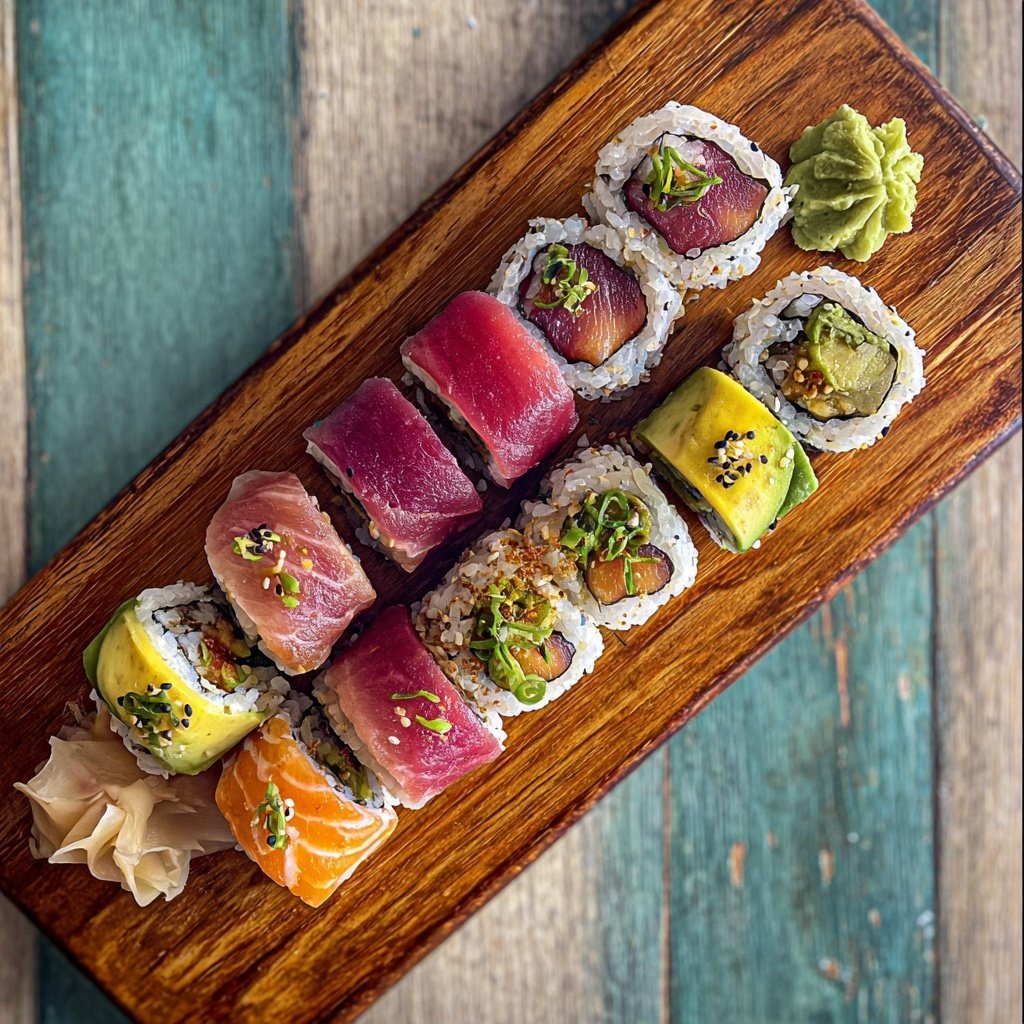
When it comes to serving them, presentation is key. Arrange the sushi rolls artfully on a platter, perhaps garnishing with sesame seeds or colorful microgreens for an added visual touch. A small bowl of soy sauce, along with dollops of pickled ginger and wasabi, not only enhances your dish but also creates a beautiful, interactive dining experience. Sharing sushi is a cherished cultural tradition, so encourage your guests to dip, savor, and enjoy their custom rolls together!
Ingredients for Global Japanese Sushi Rolls
Sushi Ingredients
- 2 cups sushi rice
- 2 1/2 cups water
- 1/3 cup rice vinegar
- 3 tablespoons sugar
- 1 teaspoon salt
- Nori sheets
- Fresh vegetables (cucumber, avocado, bell peppers)
- Protein options (tuna, crab meat, cooked shrimp)
- Soy sauce for dipping
- Pickled ginger and wasabi for serving
Make sure to have everything prepped before you start rolling!
Steps to Make Global Japanese Sushi Rolls
Prepare the Sushi Rice
Rinse the sushi rice under cold water until the water runs clear. Combine the rice and water in a pot and let it soak for 30 minutes. Bring to a boil, then reduce the heat and simmer for 20 minutes. Once cooked, remove from heat and let it sit for 10 minutes. In a bowl, mix the rice vinegar, sugar, and salt until dissolved, then gently fold it into the cooked rice.
Assemble the Ingredients
Slice the vegetables and protein into thin strips. Place a bamboo mat on a flat surface and lay a nori sheet on it, shiny side down. With wet hands, spread an even layer of sushi rice over the nori, leaving about 1 inch of space at the top.
Roll the Sushi
Arrange your fillings in a line along the bottom edge of the rice-covered nori. Using the bamboo mat, carefully roll the sushi away from you, applying gentle pressure to keep it tight. Use a sharp knife to slice the roll into pieces.
Serve and Enjoy
Arrange the sushi rolls on a platter and serve with soy sauce, pickled ginger, and wasabi. Enjoy the fruits of your labor with friends!
Enjoy your homemade sushi rolls!
Pro Tips
- Always keep a bowl of water nearby when working with sushi rice
- this will help prevent it from sticking to your hands. Experiment with different ingredients to create a variety of flavors and textures.
Storage Suggestions
If you have leftover sushi rolls, it’s best to eat them within a day for optimal freshness. Store any uneaten pieces in an airtight container in the refrigerator, making sure to place a damp paper towel inside to maintain moisture and prevent the rice from hardening. Avoid using plastic wrap tightly, as this can create excess moisture and lead to sogginess.
While sushi is best enjoyed fresh, you can use leftover fillings creatively. For instance, chopped vegetables and proteins can be tossed into salads or grain bowls, ensuring nothing goes to waste. If you choose to freeze sushi, keep in mind that the rice texture may suffer. However, individual fillings like crab or shrimp are often freezable and can be used in new culinary creations.
Sushi Roll Variations
Feel free to experiment with different sushi roll variations to keep things exciting! Try using flavored rice by mixing in spices or even incorporating beet juice for a natural pink hue. Additionally, consider creating specialty rolls with added crunch by including tempura vegetables or crispy fried onions.
For those who prefer a fusion twist, explore global flavors by incorporating ingredients like spicy kimchi, zesty salsa, or marinated sun-dried tomatoes instead of traditional fillings. These variations can create an exciting culinary experience, opening the door to new taste sensations and allowing you to cater to diverse palates.
Troubleshooting Common Issues
If your sushi rice doesn’t hold together when rolling, it may need more moisture. Ensure you’re using the correct rice vinegar mixture and consider adding a tiny bit of water to the rice as you spread it onto the nori. Also, be cautious with the amount of rice used at the beginning; a thin layer allows for easier rolling and encourages a better seal.
Another common issue is uneven rolls, which can happen if fillings are too bulky or haphazardly placed. Ensure that your fillings are cut into uniform sizes, and arrange them snugly to avoid excess space. Remember, practice makes perfect; each roll you make will improve your technique, helping you create beautiful, tight sushi rolls in no time.
Questions About Recipes
→ Can I use brown rice instead of white rice?
Yes, but note that brown rice has a different texture and will require a longer cooking time.
→ What can I substitute for nori?
You can use soy wrappers or even thinly sliced cucumber for a low-carb option.
→ How long can I keep leftover sushi?
It's best to eat sushi fresh, but you can refrigerate leftovers for up to 24 hours. Just keep it wrapped tightly.
→ Is it necessary to use a bamboo mat?
While a bamboo mat makes rolling easier, you can also use parchment paper if it's more convenient.
Global Japanese Sushi Rolls
Created by: The Chefmiacooks Team
Recipe Type: Foreign Flavors
Skill Level: Intermediate
Final Quantity: 4 rolls
What You'll Need
Sushi Ingredients
- 2 cups sushi rice
- 2 1/2 cups water
- 1/3 cup rice vinegar
- 3 tablespoons sugar
- 1 teaspoon salt
- Nori sheets
- Fresh vegetables (cucumber, avocado, bell peppers)
- Protein options (tuna, crab meat, cooked shrimp)
- Soy sauce for dipping
- Pickled ginger and wasabi for serving
How-To Steps
Rinse the sushi rice under cold water until the water runs clear. Combine the rice and water in a pot and let it soak for 30 minutes. Bring to a boil, then reduce the heat and simmer for 20 minutes. Once cooked, remove from heat and let it sit for 10 minutes. In a bowl, mix the rice vinegar, sugar, and salt until dissolved, then gently fold it into the cooked rice.
Slice the vegetables and protein into thin strips. Place a bamboo mat on a flat surface and lay a nori sheet on it, shiny side down. With wet hands, spread an even layer of sushi rice over the nori, leaving about 1 inch of space at the top.
Arrange your fillings in a line along the bottom edge of the rice-covered nori. Using the bamboo mat, carefully roll the sushi away from you, applying gentle pressure to keep it tight. Use a sharp knife to slice the roll into pieces.
Arrange the sushi rolls on a platter and serve with soy sauce, pickled ginger, and wasabi. Enjoy the fruits of your labor with friends!
Extra Tips
- Always keep a bowl of water nearby when working with sushi rice
- this will help prevent it from sticking to your hands. Experiment with different ingredients to create a variety of flavors and textures.
Nutritional Breakdown (Per Serving)
- Calories: 450 kcal
- Total Fat: 10g
- Saturated Fat: 1g
- Cholesterol: 40mg
- Sodium: 400mg
- Total Carbohydrates: 75g
- Dietary Fiber: 4g
- Sugars: 5g
- Protein: 15g